Timeless Tickers: The Real Talk on Managing Risk in Luxury Watch Investing
So you’re thinking about diving into luxury watch investing? I get it — sleek designs, legacy brands, that whisper of prestige. But here’s what they don’t show you: the hidden risks, the emotional traps, the market swings no one talks about. I’ve been there, overestimating demand and underestimating costs. Turns out, passion alone doesn’t pay the bills. This isn’t just about buying pretty timepieces — it’s about strategy, patience, and knowing when to walk away. Let’s break down what really moves the needle.
The Allure of Luxury Watches: Why People Invest Emotion and Capital
Luxury watches occupy a unique space where craftsmanship meets status, and sentiment blends with savings. For many, a timepiece is more than a tool to tell time — it’s a symbol of achievement, a family heirloom in the making, or a tangible expression of personal taste. Brands like Rolex, Patek Philippe, and Audemars Piguet have spent decades building reputations rooted in precision, exclusivity, and timeless design. These qualities don’t just attract admirers — they attract investors. The emotional draw is powerful. A watch may commemorate a milestone, echo a father’s legacy, or reflect years of disciplined saving. That emotional resonance often fuels the decision to buy, sometimes blurring the line between collecting and investing.
Yet beneath the surface lies a financial reality that many overlook. While the allure of luxury watches is undeniable, not every model transforms into a profitable asset. The market rewards selectivity, not sentiment. Certain watches — particularly limited editions, historically significant pieces, or those with cult followings — have demonstrated strong appreciation over time. The Rolex Daytona “Paul Newman,” for instance, has sold at auction for millions, far exceeding its original retail price. Similarly, vintage Patek Philippe chronographs have seen consistent long-term growth. These examples fuel the belief that luxury watches are a viable investment. But they are the exception, not the rule. Most watches, even high-end ones, do not appreciate significantly. The key is understanding what separates a status symbol from a sound financial holding.
Brand heritage plays a central role in value creation. A company with a century-long reputation for innovation and reliability carries weight in the collector’s market. Craftsmanship matters too — hand-finished movements, rare materials, and in-house manufacturing elevate a watch’s desirability. Scarcity is another major driver. Limited production runs create artificial supply constraints, increasing demand among collectors. When a model is discontinued, its value often rises, especially if demand remains strong. These factors combine to create what economists call “perceived value” — a blend of objective quality and subjective prestige. But perceived value can shift. Trends change. New brands emerge. Investor sentiment wavers. That’s why emotional attachment, while natural, must be balanced with financial discipline.
Understanding Value: What Actually Makes a Watch a Good Investment
Not all luxury watches are created equal when it comes to investment potential. In fact, the majority of high-end timepieces do not appreciate in value over time. A watch may cost tens of thousands of dollars, but that price tag does not guarantee future returns. True investment-grade watches share specific characteristics: strong brand equity, limited availability, historical significance, and a track record of appreciation. These are the assets that tend to hold — and grow — their value over decades. Understanding these traits is essential for anyone considering watches as part of a financial strategy.
Brand reputation is the foundation. Rolex, Patek Philippe, and Audemars Piguet dominate the investment landscape not just because of their marketing, but because of decades of consistent performance in the secondary market. These brands have cultivated loyal followings, rigorous quality control, and global recognition. A Patek Philippe Nautilus or a Rolex Submariner is instantly recognizable and widely respected. This broad appeal increases liquidity — the ability to sell quickly at fair market value. But even within these brands, not every model performs equally. The stainless steel Rolex Daytona, for example, has outperformed its gold counterparts due to higher demand and lower supply. The lesson is clear: brand matters, but model selection matters more.
Rarity is another critical factor. Watches produced in small numbers — whether due to limited editions, special collaborations, or short production runs — tend to appreciate faster. A model with only 500 units made will naturally be more sought after than one with 50,000. Provenance — the documented history of ownership — can further enhance value. A watch once owned by a public figure or featured in a major auction carries added prestige. Original condition is equally important. Watches that retain their factory finish, come with full documentation, and have complete service records command premium prices. Any damage, modification, or missing paperwork can significantly reduce value. Collectors and investors pay a premium for authenticity and completeness.
It’s also important to distinguish between retail price and investment potential. A new watch from a lesser-known brand might carry a high price due to materials or marketing, but without a strong resale market, it’s unlikely to appreciate. Emerging brands like Richard Mille have gained attention for their high prices and celebrity endorsements, but their long-term performance remains uncertain. Unlike Rolex or Patek Philippe, which have decades of market data, newer brands lack proven track records. This makes them riskier bets. The safest investments are those with historical evidence of value retention — watches that have weathered economic downturns and still command strong prices. These are the assets that form the backbone of a prudent watch investment strategy.
Market Volatility: The Hidden Swings Behind Shiny Surfaces
One of the most misunderstood aspects of luxury watch investing is market volatility. Many buyers assume that high-end timepieces are stable, inflation-resistant assets — a kind of “hard asset” like gold or real estate. While there is some truth to this, the reality is more nuanced. The luxury watch market is influenced by trends, collector behavior, and macroeconomic conditions, all of which can cause significant price fluctuations. Unlike stocks or bonds, which trade on public exchanges with transparent pricing, the watch market operates largely in private sales, auctions, and dealer networks. This lack of standardization means prices can vary widely, and values can shift rapidly.
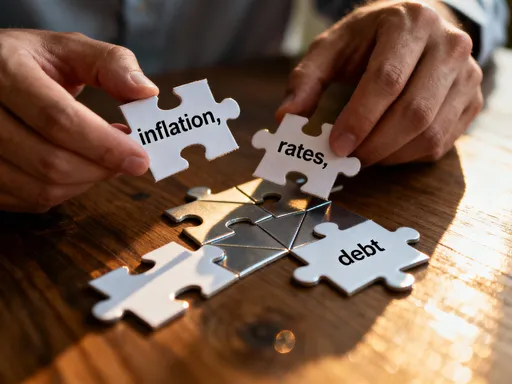
Recent years have seen dramatic swings in the secondary market. Between 2020 and 2022, demand for luxury watches surged, driven by pandemic-era savings, low interest rates, and increased interest in alternative assets. Prices for popular models like the Rolex GMT-Master II and the Audemars Piguet Royal Oak soared, with some selling for double or triple their retail value. But by 2023, the trend reversed. Inflation, rising interest rates, and economic uncertainty dampened consumer spending. Auction results showed softening prices, and dealers reported slower turnover. Some models that once commanded premiums were suddenly selling at or below retail. This correction revealed a key truth: luxury watches are not immune to market cycles.
Liquidity is another challenge. While blue-chip models from top brands can be sold relatively quickly, less popular or newer models may sit unsold for months. Selling fast often requires accepting a lower price, especially if the buyer is a dealer who needs to make a profit. Auction houses charge seller’s fees, sometimes as high as 20%, further reducing net returns. Private sales take time and effort, requiring verification, negotiation, and secure transactions. The process is far from instant. This illiquidity means that watch investments should be considered long-term holdings, not emergency funds or short-term plays.
Additionally, the absence of a centralized pricing mechanism creates information asymmetry. Buyers and sellers often rely on price guides, auction records, and dealer quotes, but these can be inconsistent. A watch listed at $50,000 on one platform might be priced at $42,000 elsewhere. Without real-time market data, it’s difficult to know the true value at any given moment. This opacity increases the risk of overpaying or underselling. It also makes it harder to track performance over time. For these reasons, investors must approach the market with caution, recognizing that even the shiniest watches can lose their luster when conditions change.
Risk Factors You Can’t Ignore: From Fakes to Fees
Investing in luxury watches comes with a unique set of risks that go beyond market fluctuations. Among the most serious is the prevalence of counterfeit timepieces. The secondary market is flooded with high-quality fakes — some so precise they can fool even experienced collectors. These replicas often use genuine parts mixed with forged components, making authentication difficult without expert examination. A buyer who unknowingly purchases a fake not only loses their investment but may also face legal or reputational issues when trying to resell. The risk is especially high in online marketplaces and private transactions where verification is limited.
Authentication is therefore critical. Reputable auction houses and certified dealers typically provide authentication services, but these are not always foolproof. Some watches require movement inspection, which involves opening the case — a process that can affect value if not done by a qualified technician. Third-party authentication services exist, but they vary in reliability. For high-value purchases, investors should insist on multiple forms of verification, including original papers, service records, and serial number checks. Even then, forgeries of documentation are common, adding another layer of complexity.
Ownership costs are another often-overlooked factor. Luxury watches require regular maintenance to preserve function and value. Servicing a high-complication timepiece can cost thousands of dollars, and manufacturers recommend intervals of every 5 to 10 years. Skipping maintenance can lead to mechanical failure, water damage, or deterioration of internal components — all of which destroy value. Storage is also important. Watches should be kept in a controlled environment, protected from humidity, temperature swings, and magnetic fields. Many collectors invest in specialized watch boxes or safes, adding to the overall cost of ownership.
Insurance is another necessary expense. Standard homeowner’s policies often provide limited coverage for high-value items, requiring a separate rider or specialized collectibles insurance. Premiums depend on the watch’s value, location, and usage. A $100,000 Patek Philippe might cost $1,000 or more per year to insure. While this protects against loss or theft, it also eats into potential returns. When all these costs — servicing, storage, insurance — are factored in, the net gain from appreciation can be significantly reduced. An investor who buys a watch for $50,000 and spends $15,000 on upkeep over 15 years has effectively invested $65,000. If the watch sells for $80,000, the profit is just $15,000 — a modest return over time. These hidden costs must be weighed carefully before any purchase.
Diversification vs. Obsession: Balancing Passion and Prudence
One of the most common mistakes in luxury watch investing is overconcentration. It’s easy to fall in love with a particular brand, model, or era and pour a disproportionate amount of capital into a single asset class. But like any investment, watches should be part of a diversified portfolio, not the entire foundation. Financial advisors consistently emphasize the importance of spreading risk across different asset types — stocks, bonds, real estate, and cash — to protect against market downturns. Collectibles like watches, art, or wine can add diversity, but they should represent only a small portion of one’s total investable assets.
The reason is simple: collectibles are inherently illiquid and volatile. Unlike stocks, which can be sold in seconds, selling a watch takes time, effort, and often a discount. During economic downturns, demand for luxury goods tends to decline, making it harder to exit positions at favorable prices. In contrast, a well-diversified portfolio can include assets that perform well even when one sector struggles. For example, when the watch market softened in 2023, U.S. Treasury bonds gained value as investors sought safety. This balance is essential for long-term financial health.
Moreover, emotional attachment can cloud judgment. A collector may hold onto a watch too long, hoping for a higher price, or refuse to sell even when market signals suggest a downturn. Others may chase trends, buying hyped models at peak prices only to watch them decline. These behaviors are driven by passion, not prudence. While it’s natural to feel connected to a beautiful object, investment decisions should be guided by logic, not sentiment. A disciplined investor treats watches as one piece of a larger financial puzzle — a piece that brings joy, but also requires careful management.
A reasonable approach is to allocate no more than 5% to 10% of investable assets to collectibles, including watches. This allows for meaningful participation without jeopardizing overall financial stability. Within that allocation, further diversification helps — owning a mix of brands, models, and price points reduces exposure to any single risk. Some investors focus on entry-level classics like the Rolex Datejust, while others target ultra-rare pieces. The key is balance. Passion can inspire the journey, but prudence must guide the path.
Practical Strategies for Safer Collecting
Successful watch investing isn’t about luck — it’s about preparation. The most reliable returns come from research, patience, and disciplined execution. Before making a purchase, investors should study market trends, analyze historical performance, and understand the factors that drive value. Trusted resources include auction house reports, collector forums, and price tracking platforms like Chrono24 or WatchCharts. These tools provide insight into pricing trends, demand cycles, and model performance over time. A buyer who understands that a particular model has plateaued in value is less likely to overpay.
Focusing on time-tested models increases the odds of long-term appreciation. Watches with decades of market data — such as the Rolex Submariner, Patek Philippe Calatrava, or Omega Speedmaster — have demonstrated resilience. They may not deliver explosive short-term gains, but they offer stability and strong resale potential. Limited editions and anniversary models from reputable brands also tend to perform well, especially if they are part of a celebrated lineage. New releases, while exciting, carry higher risk. Hype can inflate prices temporarily, but without proven demand, values may collapse once the initial buzz fades.
Documentation is just as important as the watch itself. Original boxes, warranty papers, and service records add value and credibility. A complete set can increase resale value by 20% or more. Buyers should always request these items and verify their authenticity. Keeping detailed records of all maintenance and repairs is also wise. A well-documented history reassures future buyers and supports a higher selling price. For those who service their watches, using authorized dealers ensures that work is performed to manufacturer standards, preserving value.
Building relationships with certified dealers and watchmakers can also pay dividends. Trusted professionals provide access to rare pieces, early release opportunities, and expert advice. They can help authenticate purchases, advise on maintenance, and even assist with resale. Networking within the collector community — through clubs, events, or online groups — offers similar benefits. These connections provide market intelligence, early warnings of shifts, and potential buyers when it’s time to sell. Patience remains the most valuable trait. Quick flips are rare in this market. The most successful investors buy with a long horizon, allowing time for value to grow. They also plan their exit strategy in advance — knowing who might buy the watch and under what conditions.
The Long Game: Building Wealth Without Losing Sleep
At its core, luxury watch investing is not about getting rich quickly — it’s about preserving value, managing risk, and making thoughtful decisions. The most successful collectors are not those who chase every trend, but those who exercise discipline, do their homework, and resist emotional impulses. True wealth is built not through speculation, but through consistency, patience, and preparation. A watch collection can be a source of pride and potential financial gain, but only when approached with the same seriousness as any other investment.
The goal should not be to time the market perfectly, but to avoid costly mistakes. This means buying within one’s means, verifying authenticity, understanding ownership costs, and maintaining realistic expectations. It means recognizing that while some watches appreciate, others hold their value — and that stability can be just as valuable as growth. It means prioritizing protection over hype, and long-term planning over short-term excitement. When managed wisely, luxury watches can complement a balanced financial strategy, adding both aesthetic pleasure and measured returns.
In the end, the most valuable asset an investor has is not a rare timepiece, but sound judgment. The market will fluctuate. Trends will come and go. But a disciplined approach — rooted in research, risk awareness, and emotional control — will endure. Whether a watch becomes a family heirloom or a financial asset, its true worth lies in the wisdom behind the purchase. That’s the real investment — one that pays dividends for a lifetime.