Calm Mind, Balanced Life: How I Found Peace Through TCM Wisdom
Ever felt overwhelmed by stress, anxiety, or emotional ups and downs—like your mind’s constantly racing with no off switch? You're not alone. In today’s fast-paced world, mental imbalance is quietly becoming the new normal. The demands of work, family, and constant connectivity leave little room for stillness. Many turn to quick fixes that offer temporary relief but fail to address deeper imbalances. But what if ancient Chinese wisdom held gentle, natural ways to reset your inner state? This is how I began my journey with Traditional Chinese Medicine (TCM) for emotional harmony—and it changed everything. Rooted in over two thousand years of observation and practice, TCM offers a holistic path to mental well-being that treats the root, not just the symptom.
The Hidden Cost of Modern Stress
In the modern era, stress has become so common that many accept it as a default state of living. Women in their 30s to 55s often bear the brunt of this burden—juggling careers, parenting, household responsibilities, and personal expectations. The result? A silent erosion of emotional stability marked by irritability, difficulty concentrating, fatigue, and disrupted sleep. These are not just signs of being “overworked”—they are signals from the body that emotional and physiological harmony has been lost. Western medicine often treats these symptoms in isolation, offering medications for anxiety or insomnia without exploring the underlying causes. While such interventions can be helpful in acute situations, they may not provide lasting balance.
Traditional Chinese Medicine, in contrast, views emotional health as inseparable from physical health. According to TCM, the mind and body are governed by the same energetic system—Qi (pronounced “chee”)—and emotional disturbances are seen as disruptions in the flow of this vital energy. Each major organ is linked to a specific emotion: the heart to joy, the liver to anger, the spleen to worry, the lungs to grief, and the kidneys to fear. When one organ system becomes imbalanced, it affects not only its related emotion but also other parts of the body. For example, chronic worry can weaken the spleen, leading to digestive issues, low energy, and poor appetite. Similarly, unresolved anger can stagnate Liver Qi, manifesting as tension, headaches, or even menstrual irregularities.
This holistic understanding shifts the focus from suppression to regulation. Instead of asking, “How can I stop feeling anxious?” TCM asks, “Which organ system is out of balance, and how can we restore harmony?” This perspective empowers individuals to see emotional fluctuations not as personal failures but as natural signals guiding them toward deeper self-awareness and healing. By treating the body as an integrated whole, TCM supports sustainable emotional resilience rather than temporary symptom relief.
Mind-Body Connection in TCM: Emotions as Energy Flow
At the heart of TCM’s approach to emotional health lies the Five Elements theory—Wood, Fire, Earth, Metal, and Water—each corresponding to an organ system, season, emotion, and phase of life. This framework is not symbolic mysticism but a practical map of how energy moves through the body and interacts with the external world. When these elements are in dynamic balance, a person experiences emotional stability, clarity, and vitality. When one element becomes excessive or deficient, it disrupts the entire system.
Take the Liver, associated with the Wood element and the emotion of anger. In TCM, the Liver ensures the smooth flow of Qi throughout the body. When Liver Qi flows freely, a person feels motivated, decisive, and emotionally flexible. But when stress, frustration, or repressed emotions cause Qi to stagnate, the result is irritability, mood swings, and physical tension—especially in the neck, shoulders, and upper abdomen. This stagnation can also affect the Spleen, which governs digestion and is linked to the Earth element and the emotion of worry. A classic TCM pattern known as “Liver overacting on Spleen” explains why stress often leads to digestive discomfort, bloating, or changes in appetite. This interconnection reveals why telling someone to “just relax” is rarely effective—it does not address the underlying energetic blockage.
Likewise, the Heart, linked to the Fire element and the emotion of joy, houses the Shen—the spirit or mind. A balanced Heart allows for restful sleep, emotional warmth, and mental clarity. But when Heart Qi or Blood is deficient, or when Heat rises due to chronic stress, the Shen becomes disturbed. This can lead to insomnia, restlessness, excessive dreaming, or a sense of mental “noise” that makes relaxation nearly impossible. The lungs, associated with grief, and the kidneys, linked to fear, also play crucial roles. Prolonged sadness can weaken Lung Qi, causing fatigue and shallow breathing, while chronic fear or anxiety may deplete Kidney essence, leading to low stamina and a sense of insecurity.
These patterns underscore a central TCM principle: emotions are not inherently harmful. In fact, they are natural and necessary responses to life’s experiences. Problems arise when emotions are either suppressed or prolonged beyond their natural course. The goal is not to eliminate emotions but to allow them to move through the body without becoming stuck. This requires awareness, gentle regulation, and supportive practices that restore the body’s natural rhythms.
Acupuncture and Qi Regulation: More Than Just Needles
One of the most well-known and effective tools in TCM for emotional balance is acupuncture. Far from being merely a physical intervention, acupuncture works at the level of energy, helping to unblock stagnation, tonify deficiencies, and restore the harmonious flow of Qi. For emotional health, it is particularly effective in regulating Liver Qi, calming the Shen, and supporting the Heart and Spleen systems.
During a session, fine, sterile needles are inserted at specific points along the body’s meridians—energy pathways connected to the organ systems. For someone experiencing anxiety or insomnia, an acupuncturist might focus on points that anchor the Shen and clear Heat from the Heart. For chronic stress or irritability, points that soothe the Liver and promote the free flow of Qi are emphasized. These treatments do not rely on sedation or suppression; instead, they encourage the body’s innate ability to self-regulate. Many patients report a deep sense of calm during and after sessions, often accompanied by improved sleep and greater emotional clarity.
Modern research supports these effects. Studies have shown that acupuncture can modulate the autonomic nervous system, reducing activity in the sympathetic (fight-or-flight) branch and enhancing parasympathetic (rest-and-digest) function. It has been found to influence the release of neurotransmitters such as serotonin and gamma-aminobutyric acid (GABA), which play key roles in mood regulation. While TCM explains these benefits through the language of Qi and meridians, the physiological outcomes align with contemporary understandings of stress reduction and nervous system balance.
What makes acupuncture especially valuable for women navigating midlife challenges is its ability to address multiple concerns simultaneously. A single session might ease anxiety, improve sleep, relieve menstrual discomfort, and support digestion—all through the same energetic framework. This integrative approach resonates with those seeking natural, non-pharmaceutical options that honor the complexity of their experience. It is important to note that acupuncture is most effective when administered by a licensed and experienced practitioner who can tailor treatments to individual patterns of imbalance.
Herbal Support: Nature’s Mood Stabilizers
In addition to acupuncture, TCM utilizes herbal medicine as a cornerstone of emotional care. Unlike single-ingredient supplements, TCM formulas are carefully composed blends of multiple herbs designed to work synergistically. Each formula is tailored to the individual’s specific pattern—whether it’s Liver Qi stagnation, Heart Blood deficiency, or Spleen Qi weakness—ensuring a precise and holistic response.
One of the most commonly used herbs for emotional balance is Bupleurum (Chai Hu), known for its ability to course Liver Qi and alleviate the emotional tension associated with stress and frustration. It is often included in formulas for those who feel “wound up,” experience frequent sighing, or have a sensation of fullness in the chest. Another key herb is Polygala (Yuan Zhi), which has a calming effect on the Shen and is frequently used for insomnia, restlessness, and poor memory. Zizyphus (Suan Zao Ren), derived from sour jujube seeds, is prized for its ability to nourish the Heart and Liver, making it especially helpful for those who wake easily during the night or struggle with anxious thoughts at bedtime.
These herbs are rarely used in isolation. Instead, they are combined with supporting ingredients that enhance their action and prevent side effects. For example, a formula for chronic worry and fatigue might include Atractylodes and Poria to strengthen the Spleen, along with Licorice to harmonize the formula. The result is a balanced, multi-targeted approach that addresses both the emotional symptom and its physical root.
It is essential to emphasize that TCM herbal medicine should be used under the guidance of a qualified practitioner. Self-prescribing can lead to imbalances, especially since herbs are potent and must be matched to the individual’s constitution and current condition. A professional assessment ensures that the formula evolves as the person’s needs change—supporting long-term healing rather than temporary relief. When used correctly, herbal medicine becomes a gentle yet powerful ally in restoring emotional equilibrium.
Diet as Emotional Medicine: Eating for Inner Calm
TCM places great importance on diet as a form of daily medicine. The food we eat directly influences the quality of Qi, Blood, and body fluids—foundations of emotional health. According to TCM principles, certain foods can warm or cool the body, strengthen specific organs, and either soothe or aggravate emotions. By making mindful dietary choices, it is possible to support emotional balance from the inside out.
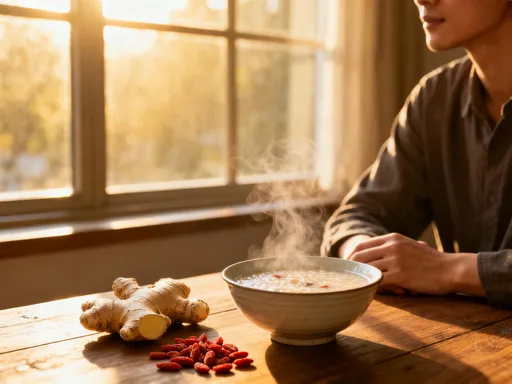
For example, the Spleen, responsible for transforming food into Qi and Blood, thrives on warm, cooked, and easily digestible foods. Raw, cold, or excessively sweet foods can weaken Spleen function, leading to fatigue, brain fog, and excessive worry. A simple shift—such as starting the day with a warm bowl of congee (rice porridge) instead of a cold smoothie—can make a noticeable difference in energy and mental clarity. Adding ingredients like lotus seeds or longan fruit enhances the calming effect, as both are traditionally used to nourish the Heart and calm the Shen.
For those dealing with Liver Qi stagnation, sour flavors such as lemon, vinegar, or pickled foods can help soothe the Liver and promote the smooth flow of Qi. However, moderation is key—excessive sourness may over-constrict. Bitter foods like dandelion greens or endive can help clear Heat, which often rises with stress and contributes to irritability. Warm, grounding foods such as root vegetables, soups, and stews support the Kidneys and help counteract the draining effects of chronic fear or anxiety.
Beverages also play a role. Chrysanthemum tea is valued for its ability to clear Liver Heat and improve mental clarity, making it an excellent choice during periods of mental overload. Lotus seed or lily bulb tea can help calm the Shen and promote restful sleep. The key is consistency—small, nourishing choices made daily create a foundation for lasting emotional resilience. This is not about strict diets or deprivation, but about cultivating a relationship with food that honors the body’s need for balance and warmth.
Daily Qi Cultivation: Simple Movement and Breathing
While acupuncture and herbs provide external support, TCM also emphasizes self-care practices that empower individuals to cultivate their own Qi. Among the most accessible and effective are gentle movement and conscious breathing. Practices like Qi Gong and Tai Chi are not merely physical exercises—they are moving meditations that coordinate breath, movement, and intention to regulate energy and calm the mind.
Qi Gong, in particular, consists of slow, flowing movements combined with deep abdominal breathing. These practices help release stagnation, especially in the Liver, and activate the parasympathetic nervous system. A simple routine of ten to fifteen minutes each day can reduce stress hormones, improve circulation, and enhance emotional stability. One foundational exercise involves standing with feet shoulder-width apart, knees slightly bent, and hands gently raised and lowered in rhythm with the breath. This “lifting the sky” movement encourages Qi to circulate smoothly and grounds the body.
Diaphragmatic breathing—also known as belly breathing—is another powerful tool. Unlike shallow chest breathing, which is common during stress, diaphragmatic breathing engages the full capacity of the lungs and signals safety to the brain. To practice, one lies down or sits comfortably, placing one hand on the chest and the other on the abdomen. Inhaling slowly through the nose, the abdomen rises while the chest remains still. Exhaling through the mouth, the abdomen falls. Repeating this for several minutes activates the body’s natural relaxation response.
These practices are especially beneficial for women who may feel they have no time for self-care. They require no special equipment, can be done at home, and fit easily into a busy schedule. Over time, they foster a deeper connection between body and mind, making it easier to recognize and respond to early signs of emotional imbalance. The goal is not perfection but regularity—a few mindful breaths each day can become a lifeline during challenging moments.
Lifestyle Harmony: Aligning with Nature’s Rhythms
TCM teaches that health flourishes when we live in harmony with natural cycles—the rising and setting of the sun, the changing of the seasons, and the ebb and flow of daily energy. Modern life often disrupts these rhythms, encouraging late nights, constant stimulation, and year-round intensity. But the body thrives on predictability and rest. Disregarding circadian rhythms, for example, can weaken the Heart and disrupt the Shen, making emotional balance harder to achieve.
One of the simplest yet most profound lifestyle changes is prioritizing sleep—especially going to bed by 10:30 p.m. In TCM, the hours between 11 p.m. and 1 a.m. are governed by the Gallbladder, which supports decision-making and courage, while 1 a.m. to 3 a.m. belong to the Liver, a time for detoxification and emotional processing. Staying awake during these hours taxes these organs and can lead to increased irritability and poor emotional regulation. Creating a calming bedtime routine—such as dimming lights, drinking a soothing tea, and avoiding screens—supports the body’s natural wind-down process.
Seasonal living is another pillar of TCM wellness. In spring, associated with the Liver and Wood energy, it is a time for new beginnings and gentle movement. Summer, ruled by the Heart and Fire, invites connection and joyful expression. Late summer, linked to the Spleen and Earth, calls for nourishing foods and grounding routines. Autumn, connected to the lungs and Metal, is a time for letting go, while winter, governed by the kidneys and Water, emphasizes rest and conservation. Aligning activities and self-care with these cycles helps maintain emotional equilibrium throughout the year.
Equally important is learning to express emotions in healthy ways. In TCM, suppressing emotions—especially anger, grief, or worry—leads to Qi stagnation. Finding safe outlets, whether through journaling, talking with a trusted friend, or creative expression, allows emotions to move and transform. Reducing overwork and setting boundaries are not signs of weakness but acts of self-respect that protect long-term well-being.
Conclusion: A Lifelong Journey, Not a Quick Fix
Finding peace through Traditional Chinese Medicine is not about chasing a single remedy or instant transformation. It is about embracing a way of living that honors the deep interconnection between body, mind, and environment. The journey begins with awareness—recognizing that emotional turbulence is not a personal failing but a signal of imbalance that can be addressed with compassion and wisdom.
Through acupuncture, herbal support, mindful eating, gentle movement, and lifestyle adjustments, TCM offers a comprehensive path to emotional harmony. It does not promise perfection, but it does offer resilience—the ability to navigate life’s challenges with greater calm, clarity, and strength. The practices are not meant to replace modern medicine when needed, but to complement it, providing tools that empower individuals to take an active role in their well-being.
For women in the midst of life’s many demands, this ancient wisdom offers a gentle reminder: you are not meant to endure constant stress. True health includes the capacity to rest, to feel, and to renew. By integrating TCM principles into daily life, it becomes possible to cultivate a calmer mind and a more balanced life—one breath, one meal, one moment at a time. The journey is ongoing, but every step taken with intention brings you closer to the peace you deserve.