Glow Up Naturally: My Daily Habits That Transformed My Skin
Ever feel like your skin just won’t cooperate, no matter what products you try? I’ve been there. After years of chasing quick fixes, I realized the real game-changer wasn’t a fancy cream—it was my daily routine. From sleep to hydration, small lifestyle shifts made a visible difference. This is how I upgraded my skin health naturally, one habit at a time. The truth is, glowing skin isn’t born in a bottle. It’s cultivated through consistent, everyday choices that support your body’s natural balance. Science increasingly shows that what happens behind the scenes—how you sleep, eat, move, and manage stress—shapes your skin more than any serum ever could.
The Skin-Lifestyle Connection: Why Daily Habits Matter More Than You Think
Skin is not just a surface—it’s the body’s largest organ and a dynamic reflection of internal health. While many focus on topical treatments, research from dermatology and nutrition science confirms that daily lifestyle habits play a foundational role in skin appearance. Factors like sleep quality, stress levels, hydration status, and dietary patterns directly influence skin texture, clarity, and resilience. For instance, chronic dehydration can lead to diminished elasticity, while high sugar intake has been linked to increased signs of aging through a process called glycation, where sugar molecules attach to collagen and weaken its structure.
What you do every day shapes your skin’s ability to repair, regenerate, and defend itself. The skin renewal cycle takes about 28 days on average, meaning changes from habits take time to become visible. This is why short-term fixes often fail. A luxurious moisturizer might offer temporary plumpness, but if you're consistently sleep-deprived or eating inflammatory foods, the underlying condition of your skin remains compromised. True transformation comes from alignment—ensuring your internal environment supports healthy skin function.
Experts agree that consistency in healthy behaviors outweighs occasional indulgence in high-end skincare. A 2021 review published in the journal Clinics in Dermatology emphasized that lifestyle medicine—focusing on sleep, nutrition, and stress reduction—should be considered a first-line approach in managing common skin concerns like acne, dryness, and dullness. This doesn’t mean skincare products are irrelevant, but rather that they work best when layered on top of a solid foundation. When you prioritize habits that nourish your body from within, your skin responds with improved tone, fewer breakouts, and a natural radiance that doesn’t wash off.
Hydration Beyond Water: How What and When You Drink Affects Your Glow
When we think of hydration, we often picture drinking eight glasses of water a day. But true hydration is more nuanced. It’s not just about volume—it’s about consistency, timing, and the types of fluids you consume. Your skin, like all tissues, relies on water to maintain its barrier function, support cell turnover, and flush out toxins. Even mild dehydration—just 1–2% loss of body water—can result in reduced skin turgor, making it appear dry, tight, and less supple.
What you drink matters as much as how much. While plain water is ideal, other beverages like herbal teas—such as chamomile, rooibos, or green tea—can contribute to hydration while offering antioxidant benefits. Green tea, in particular, contains catechins that have been studied for their anti-inflammatory and UV-protective properties. On the other hand, excessive consumption of caffeinated drinks like coffee or sugary sodas can have counterproductive effects. Caffeine is a mild diuretic, and while moderate intake doesn’t dehydrate most people, overconsumption without sufficient water can tip the balance. Sugary drinks spike insulin levels, which may trigger inflammation and exacerbate conditions like acne.
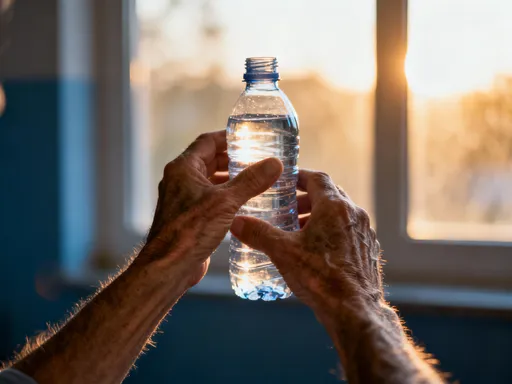
Timing also plays a role. Drinking water steadily throughout the day helps maintain consistent hydration, whereas gulping large amounts at once can lead to inefficient absorption. Starting your morning with a glass of water kickstarts metabolism and replenishes fluids lost overnight. Carrying a reusable bottle can serve as a visual reminder to sip regularly. Some people find tracking their intake helpful—using apps or marked bottles to stay on target. But rather than fixating on exact numbers, pay attention to signs of adequate hydration: light-colored urine, minimal thirst, and skin that bounces back quickly when gently pinched.
Remember, hydration isn’t only about liquids. About 20% of your daily water intake comes from food—especially water-rich produce like cucumbers, celery, oranges, and watermelon. Incorporating these into meals enhances both nutrition and fluid balance. By broadening your view of hydration beyond the water glass, you create a more sustainable, effective approach to supporting skin vitality from the inside out.
Sleep: The Overnight Reset Your Skin Actually Needs
If there’s one non-negotiable habit for radiant skin, it’s quality sleep. During deep sleep, the body enters repair mode—this is when skin cells regenerate, collagen is rebuilt, and inflammation is reduced. The term “beauty sleep” is not a myth; it’s rooted in biology. Studies show that poor sleep quality is associated with increased signs of aging, reduced skin barrier function, and slower recovery from environmental damage like sun exposure.
The circadian rhythm—the body’s internal 24-hour clock—regulates key skin processes. For example, transepidermal water loss (the amount of moisture escaping from the skin) is lowest at night, while cell turnover peaks during the early hours of sleep. When you cut sleep short or disrupt your rhythm with late nights and screen exposure, you interfere with these natural cycles. Over time, this can lead to dullness, under-eye puffiness, and a compromised moisture barrier, making skin more prone to irritation and sensitivity.
Cortisol, the stress hormone, follows a circadian pattern too—ideally high in the morning to wake you up and low at night to help you rest. But chronic sleep deprivation can dysregulate this rhythm, leading to elevated nighttime cortisol, which in turn increases inflammation and oil production. This imbalance is a known contributor to breakouts and redness, especially in adults with hormonal or stress-related acne.
Improving sleep hygiene doesn’t require drastic changes. Simple, consistent habits can make a meaningful difference. Aim for a regular bedtime and wake-up time, even on weekends, to stabilize your internal clock. Create a wind-down routine—such as dimming lights, reading a book, or practicing gentle stretching—that signals to your body it’s time to rest. Limit screen time at least an hour before bed, as blue light from phones and tablets suppresses melatonin, the hormone that regulates sleep. Consider using blackout curtains or a sleep mask to create a dark environment, and keep your bedroom cool—around 65°F (18°C)—for optimal sleep conditions.
Some women find that herbal supplements like magnesium or valerian root support relaxation, but it’s important to consult a healthcare provider before starting any new regimen. The goal isn’t perfection—occasional restless nights happen. But by prioritizing sleep as a core pillar of skin health, you give your body the time and conditions it needs to renew and restore, night after night.
Diet as Daily Skincare: Foods That Fuel a Clear, Radiant Complexion
What you eat doesn’t just affect your waistline—it directly shapes your skin. Think of your diet as daily internal skincare. Nutrient-dense foods provide the building blocks for collagen, reduce inflammation, and protect against oxidative stress. Key players include antioxidants like vitamins C and E, healthy fats such as omega-3 fatty acids, and minerals like zinc and selenium, all of which support skin integrity and repair.
Whole, unprocessed foods are your best allies. Leafy greens like spinach and kale are rich in vitamin A and antioxidants that help regulate cell turnover and protect against free radical damage. Berries—especially blueberries and strawberries—are packed with anthocyanins, compounds shown to support skin elasticity. Nuts and seeds, such as almonds, walnuts, and chia seeds, deliver vitamin E and essential fatty acids that strengthen the skin barrier and prevent moisture loss. Fatty fish like salmon, mackerel, and sardines are excellent sources of omega-3s, which have been studied for their ability to reduce redness and support a calm, balanced complexion.
On the flip side, highly processed foods, refined carbohydrates, and excess sugar can undermine skin health. Diets high in sugar lead to spikes in insulin, which can increase sebum production and inflammation—two key factors in acne development. A 2018 study in the Journal of the American Academy of Dermatology found a significant association between high glycemic load diets and acne severity. Similarly, processed snacks often contain unhealthy fats and additives that may disrupt gut health, which in turn affects skin through the gut-skin axis.
You don’t need to follow a restrictive diet to see benefits. Small, sustainable changes make a difference. Start by adding one skin-supportive food to each meal—avocado to your toast, a handful of spinach to your smoothie, or grilled salmon to your salad. Swap sugary snacks for whole fruit with nut butter, or enjoy a small piece of dark chocolate (70% cocoa or higher), which contains flavonoids that may improve skin hydration and blood flow. Meal prep doesn’t have to be elaborate; a simple roasted vegetable tray with olive oil and herbs provides both flavor and skin-nourishing nutrients.
Hydrating foods also count. Cucumbers, tomatoes, and citrus fruits contribute to your fluid intake while delivering vitamins and phytonutrients. By viewing your plate as part of your skincare routine, you shift from reactive to proactive care—nourishing your skin from the inside every single day.
Stress Management: Why Calm Mind = Calmer Skin
The mind-skin connection is powerful and scientifically supported. Chronic stress doesn’t just affect your mood—it can visibly impact your complexion. When you’re under prolonged pressure, your body releases cortisol, which triggers inflammation and increases oil production in the skin. This creates an environment ripe for breakouts, redness, and sensitivity. Many women notice flare-ups of acne, rosacea, or eczema during stressful life events, exams, or busy seasons at work or home.
Stress also disrupts the skin barrier, making it harder for your skin to retain moisture and defend against irritants. A 2017 study in Acta Dermato-Venereologica found that individuals with higher perceived stress levels had slower wound healing and poorer skin barrier recovery after damage. This means stressed skin takes longer to bounce back from environmental aggressors like pollution or dry air.
The good news? You don’t need hours of meditation to make a difference. Small, consistent stress-reducing habits can yield noticeable results. Mindful breathing—even just three deep breaths taken slowly and intentionally—can activate the parasympathetic nervous system, helping your body shift from “fight or flight” to “rest and digest.” A short walk in nature, even for 10–15 minutes, has been shown to lower cortisol levels and improve mood. Digital detoxing—setting boundaries around screen time, especially before bed—can reduce mental clutter and support better sleep, which in turn benefits skin.
Other gentle practices include journaling, listening to calming music, or practicing gratitude. These aren’t just feel-good rituals; they’re tools that help regulate your nervous system and, by extension, your skin. The goal isn’t to eliminate stress entirely—that’s impossible—but to build resilience so your body doesn’t overreact to daily pressures. When you prioritize mental wellness, you’re not just caring for your mind; you’re creating the internal calm that allows your skin to thrive.
Movement and Circulation: How Daily Activity Gives You a Natural Glow
Exercise is often praised for its cardiovascular and metabolic benefits, but its impact on skin is equally impressive. Physical activity boosts blood circulation, delivering oxygen and nutrients to skin cells while helping remove waste products like carbon dioxide and free radicals. This enhanced flow is what gives active individuals that “post-workout glow”—a healthy flush that reflects improved microcirculation.
Over time, regular movement supports long-term skin health. Improved circulation means better delivery of antioxidants and repair molecules to the skin. Exercise also helps regulate hormones, reduce inflammation, and support lymphatic drainage, all of which contribute to a clearer, more balanced complexion. A 2015 study in Medicine & Science in Sports & Exercise found that older adults who engaged in moderate exercise had healthier, more youthful-looking skin at the cellular level compared to sedentary peers.
Contrary to outdated myths, sweating isn’t bad for your skin—as long as you cleanse afterward. Sweat itself is mostly water and electrolytes; it’s the buildup of sweat, oil, and bacteria on the skin’s surface that can clog pores. A simple rinse or gentle wash after exercise prevents this without stripping natural oils. In fact, some research suggests that sweat contains dermcidin, a natural antimicrobial peptide that may help protect against skin infections.
You don’t need intense workouts to reap the benefits. Walking, stretching, gardening, or dancing around the kitchen all count as movement. The key is consistency. Aim for at least 30 minutes of moderate activity most days, but even short bursts—like a 10-minute walk after meals—add up. Use habit stacking: stretch while waiting for coffee to brew, take phone calls on the go, or do seated leg lifts while watching TV. When movement becomes a natural part of your day, your skin reaps the rewards without added effort.
Consistency Over Perfection: Building Habits That Stick Without Burnout
One of the biggest obstacles to lasting change is the pursuit of perfection. Many women start strong with new routines—drinking more water, eating clean, exercising daily—only to feel defeated when life gets busy. The truth is, sustainable transformation doesn’t come from flawless execution. It comes from consistency, even when it’s imperfect. Research in behavioral psychology shows that habits are more likely to stick when they’re small, specific, and integrated into existing routines.
Habit stacking—linking a new behavior to an established one—is a proven strategy. For example, drink a glass of water right after brushing your teeth, or do three minutes of stretching after turning off your alarm. These tiny actions build momentum without overwhelming your schedule. Focus on progress, not perfection. Missing a workout or eating pizza one night doesn’t erase weeks of effort. What matters is the overall pattern over time.
Self-compassion is essential. Be kind to yourself when you slip up. Instead of guilt, practice gentle redirection. Ask, “What can I do today to support my skin?” rather than “Why did I fail?” This shift in mindset turns self-care into a positive, empowering practice rather than a source of pressure.
Track your wins—not with rigid metrics, but with awareness. Notice how your skin feels, how your energy levels shift, or how you respond to stress. These subtle changes are signs that your habits are working, even before the mirror shows a dramatic difference. Over time, these small choices compound, leading to a complexion that reflects not just what you’ve done, but who you’ve become—someone who prioritizes well-being as a daily practice.
Your Skin Reflects Your Life—Make It Count
Glowing skin isn’t the result of luck, genetics, or a single miracle product. It’s the visible outcome of invisible habits—how you hydrate, rest, eat, move, and manage stress. Each choice you make, no matter how small, contributes to the overall health of your skin. When you align your daily routine with your body’s natural needs, you create the conditions for lasting radiance.
This inside-out approach reframes beauty as an act of self-respect and balance. It’s not about chasing perfection or comparing yourself to filtered images. It’s about honoring your body by giving it what it needs to thrive. The habits you build today don’t just improve your skin—they enhance your energy, mood, and confidence.
Start where you are. Pick one habit to focus on, whether it’s drinking more water, going to bed 20 minutes earlier, or taking a short walk each day. Let it become automatic before adding another. Over time, these practices will weave into the fabric of your life, not as chores, but as meaningful rituals of care.
Remember, transformation is gradual. But with patience and persistence, you’ll look in the mirror one day and realize your skin isn’t just healthier—it’s telling the story of a life well nurtured. Glowing skin isn’t luck. It’s lifestyle. And you have the power to shape it, one day at a time.