How Massage Therapy Transformed My Recovery Routine — A Real Talk Guide
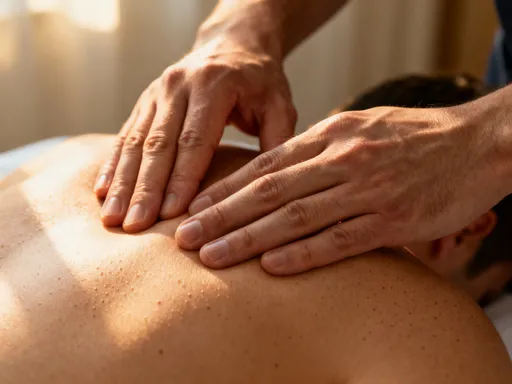
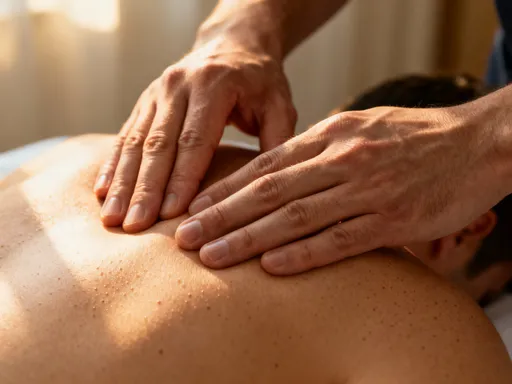
Recovering from daily strain or physical stress isn’t just about rest—your body craves active support. I used to think soreness was something to power through, until I gave massage therapy a real shot. What started as a luxury turned into a game-changer. This isn’t a miracle cure, but a system that works *with* your body. Let me walk you through how structured massage routines helped me regain mobility, ease tension, and actually feel like myself again—safely and sustainably.
The Hidden Cost of Ignoring Body Signals
Many people treat stiffness, fatigue, and minor aches as routine parts of life. They stretch briefly, pop a pain reliever, or simply push through the discomfort, believing it will fade on its own. But consistently ignoring these signals can lead to long-term consequences. Chronic muscle tension often contributes to poor posture, reduced range of motion, and even joint strain over time. The body adapts to discomfort by changing movement patterns—this is called compensation. For example, if your lower back is tight, you might unknowingly shift weight to one hip, leading to imbalances that affect gait and stability.
One of the most common misconceptions about physical recovery is the idea that pushing through pain builds strength. The “no pain, no gain” mindset may have a place in certain athletic training, but it does not apply to recovery. In fact, persistent pain is not a sign of progress—it’s a warning. Research shows that unaddressed muscle tension can increase inflammation and delay healing. Over time, this can elevate stress hormones like cortisol, which negatively affect sleep, mood, and immune function. The body is designed to heal, but only when given the right conditions.
This is where the concept of *active recovery* becomes essential. Unlike passive rest, active recovery involves deliberate practices that support the body’s natural repair processes. These include gentle movement, hydration, proper nutrition, and targeted therapies like massage. Active recovery isn’t about doing more—it’s about doing what truly helps. When integrated into daily life, these practices reduce the cumulative toll of physical stress. For busy women managing households, careers, or caregiving responsibilities, active recovery is not a luxury. It’s a necessity for long-term well-being and energy resilience.
What Exactly Is Massage Therapy (And What It’s Not)?
Massage therapy is often misunderstood as a pampering treat offered at spas—a nice bonus, but not essential. In reality, therapeutic massage is a science-based practice that involves the manipulation of soft tissues to support physical function and comfort. It goes beyond relaxation to target muscle tension, improve circulation, and promote nervous system balance. Licensed massage therapists use specific techniques tailored to individual needs, whether that’s relieving chronic shoulder tightness or aiding recovery after physical exertion.
It’s important to distinguish between spa-style massages and clinical massage therapy. While both can be beneficial, therapeutic massage is goal-oriented. A session might focus on releasing adhesions in overused muscles, improving joint mobility, or reducing nerve compression caused by tight fascia. Techniques such as deep tissue massage, myofascial release, and trigger point therapy are applied with purpose, not just for comfort. These methods are grounded in anatomy and physiology, and they require formal training and certification.
However, massage therapy is not a substitute for medical treatment. It does not diagnose conditions or cure diseases. Instead, it functions as a complementary approach that enhances overall wellness. For instance, someone recovering from a minor muscle strain may benefit from massage to reduce scar tissue formation and improve flexibility. But if an injury is severe or involves structural damage, professional medical evaluation is necessary. The best outcomes occur when massage is used in coordination with healthcare providers, not in place of them. This integrative mindset ensures safety and maximizes benefits.
Why Your Body Actually Needs Recovery—Science Made Simple
When muscles are stressed—whether from exercise, daily chores, or prolonged sitting—they undergo microscopic damage. This is a normal part of physical activity and actually triggers the body’s repair process. During recovery, blood flow increases to the affected areas, delivering oxygen and nutrients that help rebuild muscle fibers. Inflammation, often seen as negative, plays a crucial role in this phase by clearing damaged cells and initiating healing. But if recovery is inadequate, inflammation can become chronic, leading to stiffness, fatigue, and increased injury risk.
Think of your body like a rechargeable battery. After use, it needs time and resources to restore energy. Without proper recovery, performance declines—just as a phone slows down when the battery is low. The parasympathetic nervous system, responsible for “rest and digest” functions, is key to this recharge process. When activated, it slows the heart rate, reduces stress hormones, and supports tissue repair. Massage therapy has been shown to stimulate this system, helping the body shift from a state of constant alertness to one of restoration.
Scientific studies support the benefits of massage for recovery. One review published in the *Journal of Bodywork and Movement Therapies* found that regular massage significantly reduces cortisol levels while increasing serotonin and dopamine—neurochemicals linked to improved mood and relaxation. Another study demonstrated that massage improves range of motion and decreases muscle soreness after intense physical activity. These effects are not temporary. Over time, consistent massage can help prevent overuse injuries by correcting imbalances before they become problematic. It’s not about fixing one issue at a time—it’s about maintaining overall musculoskeletal health.
Building a Recovery System: How Massage Fits In
Massage should not be viewed in isolation. It works best as part of a comprehensive recovery system that includes hydration, movement, quality sleep, and body awareness. Each of these elements supports the others. For example, drinking enough water helps flush metabolic waste from muscles, while gentle movement—like walking or stretching—promotes circulation. Sleep is when the body does most of its repair work, so poor sleep can undermine even the most diligent recovery efforts. Massage enhances this system by accelerating the removal of built-up tension and improving tissue elasticity.
How often you should schedule massage sessions depends on your activity level and lifestyle. For someone with a physically demanding job or regular exercise routine, once a week or every other week may be ideal. For those managing everyday stress and mild stiffness, monthly sessions can still provide noticeable benefits. The key is consistency. Occasional deep tissue work may offer temporary relief, but long-term results come from regular care. Just as brushing your teeth daily prevents cavities, consistent massage helps prevent the accumulation of tension that leads to discomfort.
Self-assessment is also important. Learning to recognize early signs of tension—such as tight shoulders, a stiff neck, or reduced flexibility—can help you decide when to seek professional care. Tools like foam rollers or massage balls can be useful between sessions, but they should not replace hands-on therapy. Overuse of self-massage tools can lead to bruising or irritation, especially if applied too aggressively. The goal is support, not punishment. By listening to your body and responding with appropriate care, you build resilience over time.
What to Expect: From First Session to Ongoing Care
If you’ve never had a therapeutic massage, the idea of a session might feel a bit intimidating. You may wonder what to wear, how much to say, or whether it will hurt. Most massage therapists begin with a brief intake conversation to understand your goals, medical history, and areas of concern. You’ll be given privacy to undress to your comfort level—most people keep their underwear on—and you’ll be covered with a sheet or towel throughout the session. Only the area being worked on is exposed at any given time.
During the massage, the therapist may use a variety of techniques. Effleurage—long, gliding strokes—helps warm up the muscles and improve circulation. Deep tissue work applies more pressure to reach deeper layers of muscle and connective tissue. Myofascial release focuses on the fascia, the web-like connective tissue that surrounds muscles, to relieve restrictions. You should always be able to communicate your comfort level. If something feels too intense, it’s important to speak up. A good therapist will adjust their pressure and technique accordingly.
After a session, many people report feeling looser, more relaxed, and even mentally clearer. Some notice improved sleep or reduced headache frequency. These effects are real, but they are not magical. They result from the body’s natural response to skilled touch and intentional care. Over time, regular sessions can lead to lasting improvements in posture, mobility, and comfort. The most important factor in success is working with a licensed, experienced professional. Look for credentials such as LMT (Licensed Massage Therapist) and ask about their training and experience with therapeutic goals.
DIY Support Between Sessions: Smart Self-Care Moves
Professional massage is powerful, but its benefits can be extended with simple self-care practices at home. One of the most effective is gentle stretching, especially after long periods of sitting or repetitive tasks. Focus on major muscle groups like the neck, shoulders, hips, and calves. Hold each stretch for 20 to 30 seconds without bouncing. This helps maintain flexibility and prevents muscles from tightening up again too quickly. Pairing stretching with slow, deep breathing enhances relaxation and signals the nervous system to calm down.
Hydration is another key factor. Muscles function best when they are well-hydrated. Water supports the transport of nutrients and the removal of metabolic byproducts like lactic acid. Aim for consistent fluid intake throughout the day, especially on days when you’ve had a massage or physical activity. Herbal teas and water-rich foods like cucumbers and oranges can also contribute to hydration.
Tools like handheld massagers, massage balls, or foam rollers can be helpful, but they should be used with care. Apply gentle pressure and avoid bony areas or joints. For example, a tennis ball placed against a wall can help release tight spots in the upper back, but pressing too hard can cause bruising. The goal is to encourage blood flow and release tension, not to create pain. Mindfulness is also a powerful tool. Take a few minutes each day to scan your body. Notice where you’re holding tension—perhaps in your jaw, shoulders, or lower back—and consciously relax those areas. This awareness allows you to address issues early, before they become chronic.
When to Talk to a Doctor: Knowing the Limits
While massage therapy offers many benefits, it is not appropriate for all conditions. There are certain red flags that require medical evaluation before any hands-on treatment. These include sharp or radiating pain, numbness, tingling, swelling, or sudden loss of strength. If you experience any of these symptoms, it’s important to consult a healthcare provider. Conditions like herniated discs, blood clots, infections, or fractures need proper diagnosis and treatment. Massage, especially deep work, could worsen certain medical issues if applied incorrectly.
For individuals managing chronic conditions such as arthritis, fibromyalgia, or diabetes, massage can still be beneficial—but it should be done in coordination with a doctor or physical therapist. A qualified therapist will adjust their technique based on your health status and work within safe parameters. Open communication between your care providers ensures a safe and effective approach. Never feel pressured to endure pain during a session. Discomfort is not a sign of effectiveness. A therapeutic response should feel like a productive release, not injury.
Remember, every body is different. What works for one person may not work for another. The goal is not to follow trends or push through pain, but to find what supports your unique well-being. Listening to your body, respecting its limits, and seeking professional guidance when needed are all signs of strength, not weakness. Recovery is not a one-size-fits-all journey, and it’s okay to ask for help along the way.
Massage therapy isn’t about quick fixes—it’s about creating a sustainable system that honors your body’s need for recovery. When integrated mindfully, it can transform how you move, feel, and perform every day. The real win? Learning to treat your body with the care it deserves—not just when it breaks, but before it does.